Open Ticket
  +373 79 600002
  Telegram Live Chat
  F.A.Q
F.A.Q  English
 Русский
  Română
  Deutsch
  Français
  Türkçe
  Español
  Português
  Українська
  български
  Polski
  Indonesia
  中文 (中国)



















































































































 on All Hosting Services






Administration
These systems use the HPE iLO web console. The process is to open the remote console, mount the ISO as virtual media, boot from it once, install the OS, then unmount the ISO.
If you have ever installed a new AI tool, watched the binary land in your PATH, and still ended up with something that was technically present but practically useless, you already understand the problem this Hermes Agent quickstart is solving.…
You are comparing two VPS plans. On paper, they look almost the same: similar CPU, similar RAM, similar storage. Then you notice the price gap. One is clearly cheaper. One is clearly not. At that point, most buyers assume they…
Before diving into the setup, here are the terms most likely to confuse readers in this guide. This quick glossary keeps the Linux, GPU, and local-model vocabulary clear from the start.
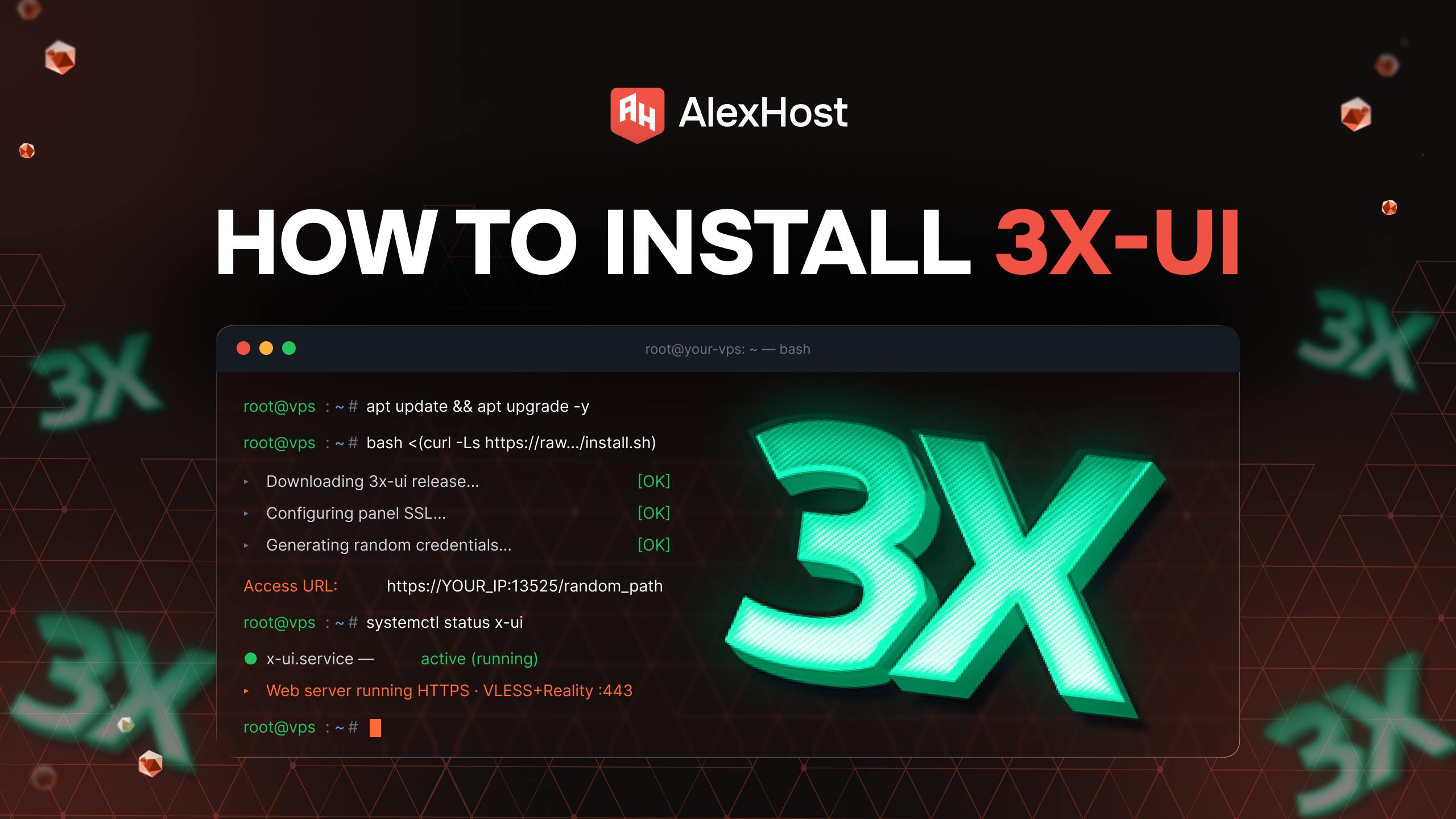
The quick glossary below keeps the terms straight before the installation starts:

An invoice from billing@yourcompany.com feels normal. An invoice from yourcompanyhelp123@gmail.com feels like something you pause over. The difference is not just cosmetic. It signals trust, ownership, and whether the business behind the message looks established enough to take seriously.

Before we start, here are the terms you'll see throughout this guide. You don't need to memorize these — just know they exist, and the context will make them click.
OpenClaw is a powerful open-source, self-hosted AI agent framework that functions as a fully autonomous personal assistant. Running 24/7 on your local hardware, it connects to popular messaging platforms like Telegram, WhatsApp, Slack, and iMessage, executes shell commands, browses the…
Algorithmic trading systems are less like conventional applications and more like industrial plants: they run continuously, ingest real-time market data, execute decisions under tight latency budgets, and must remain predictable even during periods of extreme market volatility. Your choice of…
SSH (Secure Shell) is one of the most critical tools in the Linux ecosystem. System administrators, developers, and DevOps engineers rely on it daily for remote server access, secure file transfers, deployment automation, and infrastructure management. While most users interact…