Open Ticket
  +373 79 600002
  Telegram Live Chat
  F.A.Q
F.A.Q  English
 Русский
  Română
  Deutsch
  Français
  Türkçe
  Español
  Português
  Українська
  български
  Polski
  Indonesia
  中文 (中国)

































































































 on All Hosting Services






Administration
You are comparing hosting plans for a website, app, store, or self-hosted service. One option says Dedicated. It sounds safer. More serious. More professional. The temptation is obvious: if this is the premium-sounding plan, surely it must be the responsible…

You want to self-host an AI agent on anything from an old Android phone to a normal VPS to a more controlled always-on server. Then you find three names — ZeroClaw, PicoClaw, and NemoClaw — and assume they are direct…
IPv4 vs IPv6 usually stops feeling abstract the moment you compare a VPS or dedicated server plan and notice something odd: IPv6 is available, sometimes in generous amounts, while IPv4 may be limited, optional, or priced separately. That little pricing…

This quick glossary covers the infrastructure words most likely to create confusion during the deeper explanation phase.
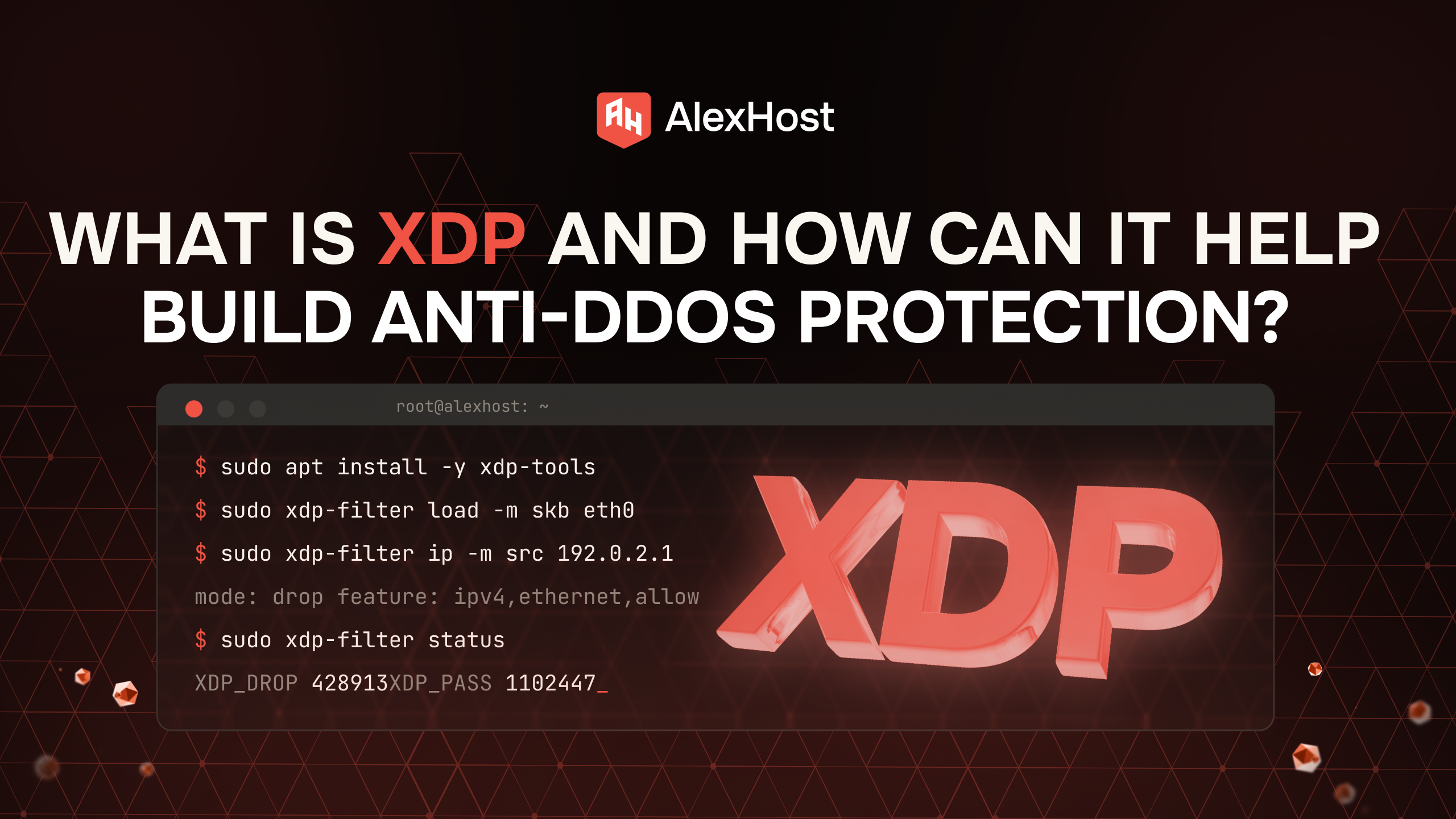
If you run a public API, reverse proxy, game service, or any other internet-facing workload, you can hit a painful point where the server is busy on traffic that was never useful in the first place. The application is not…
This platform uses the IBM/Lenovo Integrated Management Module II interface. The process is to open Remote Control, mount the ISO from your local PC, reboot, then use the one-time boot menu to start from CD/DVD Rom.
This is a single-CPU server, but you can still install a custom ISO through the KVM interface. The flow here is simpler than on Dell or HP systems: choose the ISO in CD Image, start the virtual media, then reboot.
This platform uses the newer HPE iLO 5 interface. The ISO installation flow is still straightforward: open the remote console, launch the HTML5 console, mount the ISO from the virtual media menu, reboot, then boot once from the virtual CD/DVD…
This platform uses the Dell EMC remote console layout, but the installation flow is still the standard Dell iDRAC method: launch the console, map the ISO through Virtual Media, reboot, open the one-time boot menu, and boot from the virtual…
These systems use the Dell iDRAC web interface. The process is to open the remote console, map the ISO through Virtual Media, use the one-time boot menu, then boot from the virtual optical drive.