Open Ticket
  +373 79 600002
  Telegram Live Chat
  F.A.Q
F.A.Q  English
 Русский
  Română
  Deutsch
  Français
  Türkçe
  Español
  Português
  Українська
  български
  Polski
  Indonesia
  中文 (中国)






































































































































 on All Hosting Services






Linux
You are at home and need to fix a Linux VPS before a site starts failing. An hour later, you need to open a Windows admin tool on another machine as if you were sitting in front of it. Then…

If you have ever installed an AI tool, watched the binary land in your "PATH", and still had no proof that it could reach a model, understand its workspace, or answer safely, you already understand the problem this guide is…
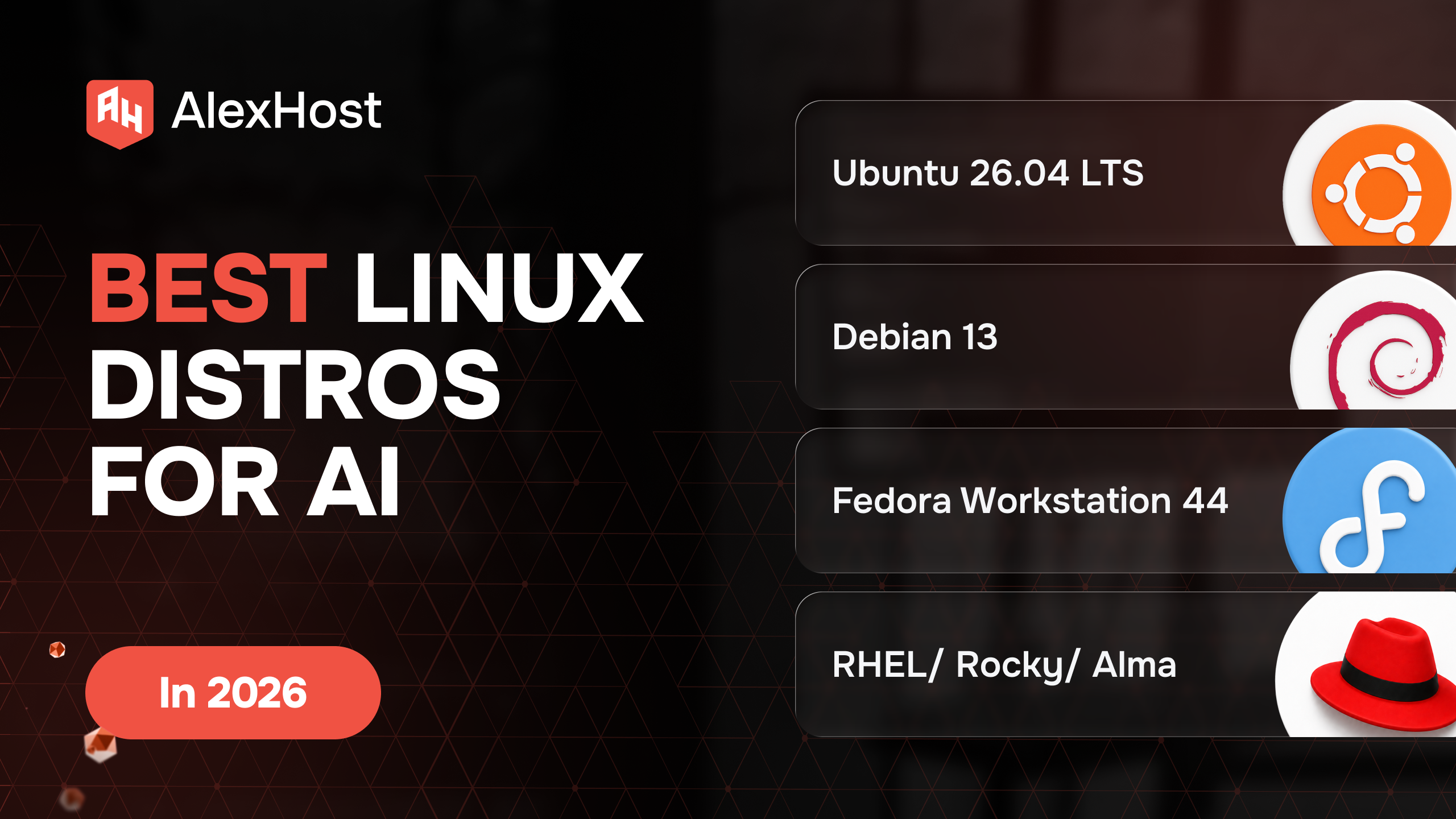
You have the GPU. You have the model. You have the enthusiasm. Then the afternoon disappears into a driver mismatch, a package version that assumes a different distro, or an update that breaks the container workflow you were about to…
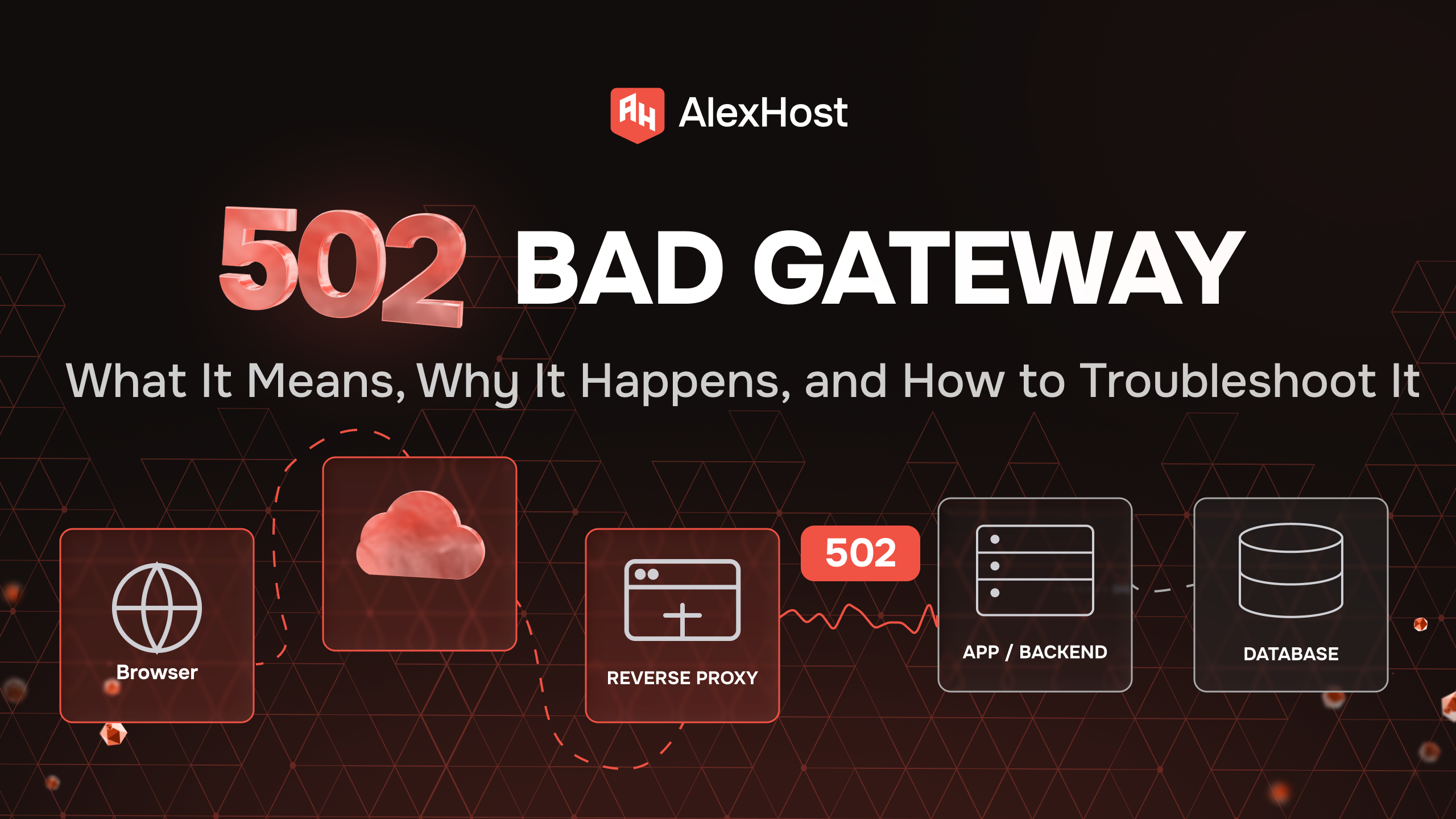
This quick glossary covers the infrastructure words most likely to create confusion during the deeper explanation phase.
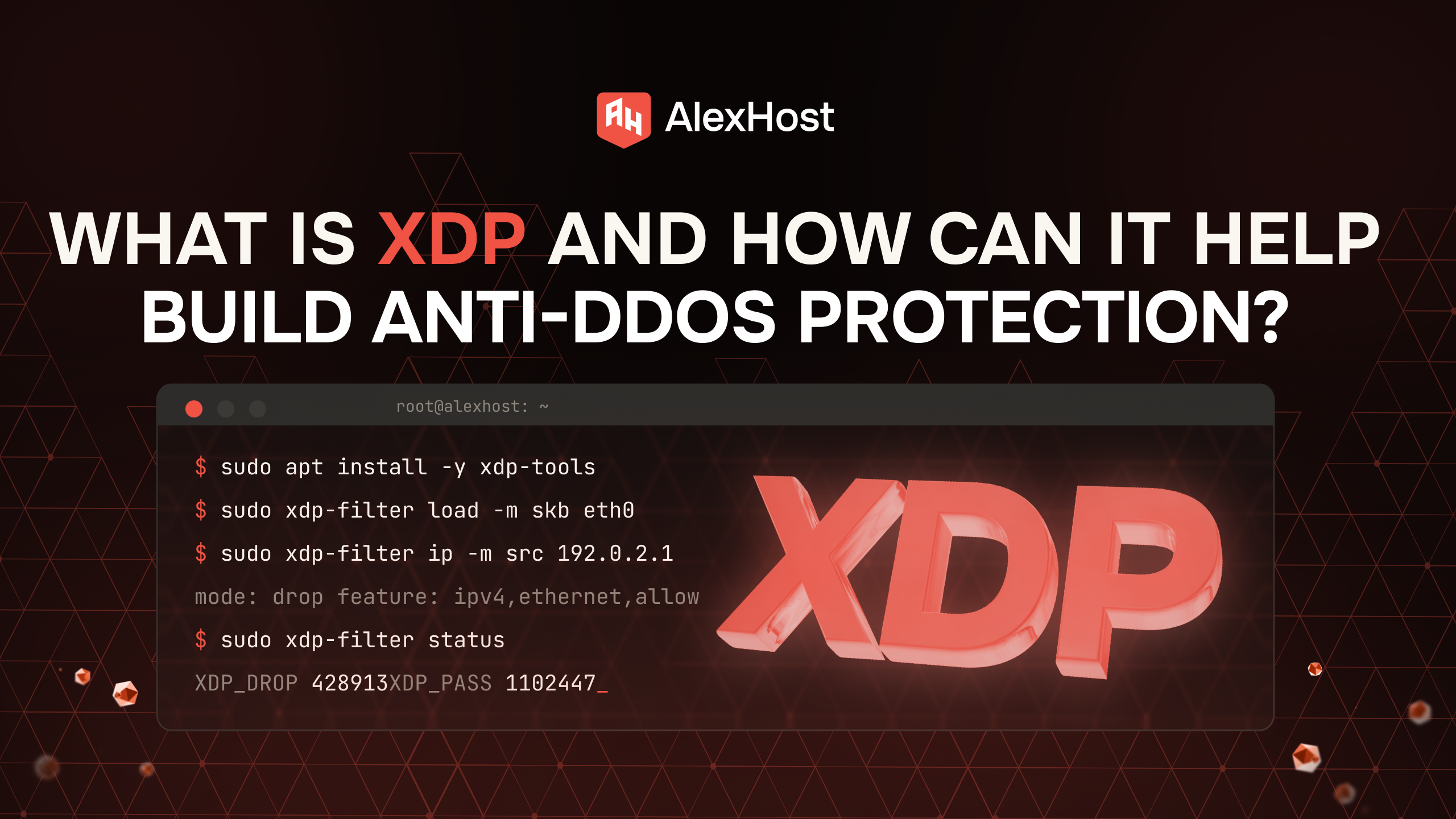
If you run a public API, reverse proxy, game service, or any other internet-facing workload, you can hit a painful point where the server is busy on traffic that was never useful in the first place. The application is not…
If you have ever installed a new AI tool, watched the binary land in your PATH, and still ended up with something that was technically present but practically useless, you already understand the problem this Hermes Agent quickstart is solving.…
Before diving into the setup, here are the terms most likely to confuse readers in this guide. This quick glossary keeps the Linux, GPU, and local-model vocabulary clear from the start.
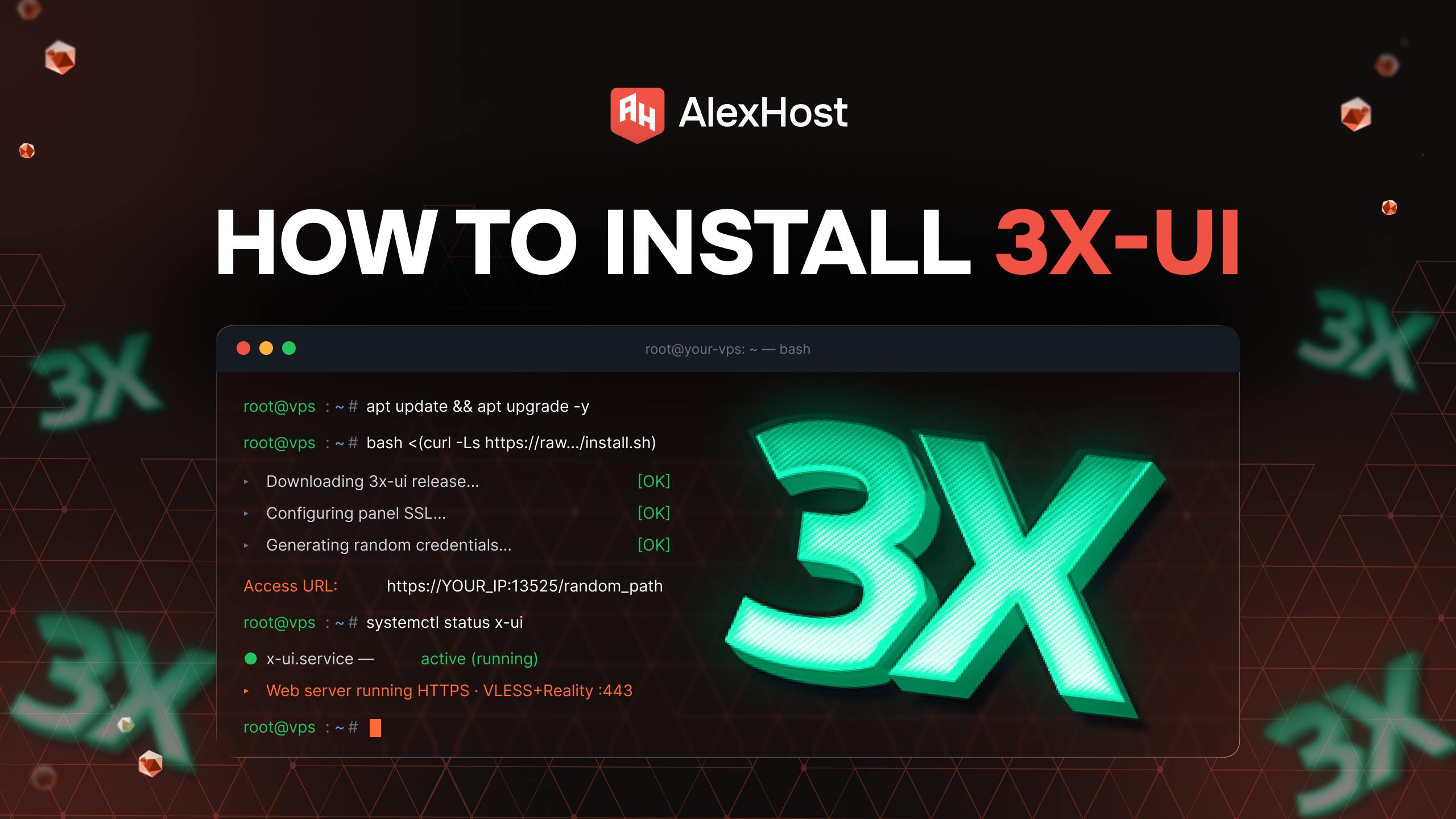
The quick glossary below keeps the terms straight before the installation starts:

Before we start, here are the terms you'll see throughout this guide. You don't need to memorize these — just know they exist, and the context will make them click.
Modern teams don’t “run one app” — they operate a chain of SaaS tools, internal services, data stores, and chat/alerting systems. The cost of that complexity shows up in predictable ways: