Open Ticket
  +373 79 600002
  Telegram Live Chat
  F.A.Q
F.A.Q  English
 Русский
  Română
  Deutsch
  Français
  Türkçe
  Español
  Português
  Українська
  български
  Polski
  Indonesia
  中文 (中国)











































































































 on All Hosting Services






What Is an Operating System? A Complete Guide to Functions, Types, and Importance
An operating system (OS) is the foundational software layer that makes every computing device functional. Whether you're browsing the web on a laptop, managing a business server, or running applications on a smartphone, an operating system is silently orchestrating every interaction between you, your software, and the underlying hardware.
Without an OS, a computer is nothing more than an expensive collection of electronic components with no ability to execute tasks, communicate with users, or manage resources. In this comprehensive guide, we'll break down exactly what an operating system is, explore its core functions, examine the major types available today, and explain why selecting the right OS matters — especially in server and hosting environments.
What Is an Operating System?

An operating system is a specialized software program — or suite of programs — that serves as an intermediary between a computer's hardware and its users or applications. It creates a stable, consistent environment in which software can run, hardware can be accessed, and users can interact with the machine in a meaningful way.
Think of the OS as the manager of a large organization. It doesn't do the actual work of individual departments (applications), but it coordinates resources, resolves conflicts, enforces rules, and ensures everything runs smoothly and efficiently.
Modern operating systems handle an enormous range of responsibilities simultaneously, from allocating processor time to individual tasks, to enforcing file permissions, to managing network connections — all in real time and largely invisibly.
Core Functions of an Operating System

Understanding what an OS actually does is key to appreciating why it's so critical. Here are the primary functions every modern operating system performs:
1. Hardware Resource Management
One of the most fundamental roles of an operating system is managing the physical components of a computer — the CPU, RAM, storage drives, graphics hardware, and peripheral devices like keyboards, mice, and printers.
Without centralized management, multiple applications would compete for the same hardware resources, causing crashes, data corruption, and unpredictable behavior. The OS prevents this by acting as a traffic controller:
- CPU Management (Process Scheduling): The OS uses scheduling algorithms to allocate processor time across multiple running processes. This enables multitasking — the ability to run a web browser, a text editor, and a background update simultaneously without any single process monopolizing the CPU.
- Memory Management: The OS monitors how RAM is allocated across active programs. It uses techniques like virtual memory and paging to extend available memory and prevent one application from overwriting another's data.
- Input/Output (I/O) Management: All data flowing between the CPU and external devices — keyboards, monitors, network interfaces, storage — is routed and managed by the OS, ensuring orderly, efficient communication.
2. User Interface (UI)
The operating system provides the interface through which users interact with the computer. There are two primary interface types:
- Graphical User Interface (GUI): Used by Windows, macOS, and most Linux desktop distributions, GUIs present visual elements — icons, windows, menus, and taskbars — that make computers accessible to non-technical users.
- Command-Line Interface (CLI): Used extensively in server environments and by developers, CLIs accept text-based commands. Linux terminals, Windows PowerShell, and macOS Terminal are common examples. CLIs offer greater precision, scriptability, and efficiency for advanced tasks.
In server and hosting contexts, CLI-based operating systems are often preferred because they consume fewer resources, offer greater control, and are easier to automate.
3. File System Management
Every piece of data on a computer — documents, applications, configuration files, logs — must be stored, organized, and retrieved reliably. The OS manages this through a file system, which defines how data is structured on storage devices.
Key aspects of file management include:
- File System Formats: Different operating systems use different file systems. Windows primarily uses NTFS, macOS uses APFS, and Linux distributions commonly use EXT4 or XFS. Each has different characteristics in terms of performance, reliability, and maximum file size support.
- File Permissions and Access Control: The OS enforces rules about who can read, write, or execute specific files. This is especially critical in multi-user environments like shared servers, where data isolation between users is essential.
- Directory Structure: The OS organizes files into a hierarchical directory (folder) structure, making it possible to locate and manage data efficiently even across terabytes of storage.
4. Application and Process Management
When you launch an application, the OS is responsible for loading it into memory, allocating the necessary CPU and RAM resources, and managing its execution throughout its lifecycle. When you close it, the OS reclaims those resources.
Key capabilities include:
- Multitasking: Modern operating systems run dozens or hundreds of processes simultaneously, switching between them so rapidly that it appears seamless to the user.
- Process Isolation: The OS ensures that individual processes cannot interfere with each other's memory space, improving stability and security.
- Application Programming Interfaces (APIs): Operating systems expose standardized APIs that developers use to build software. These APIs allow applications to request OS services — such as reading a file, opening a network socket, or displaying a window — without needing to interact directly with hardware.
5. Security and Access Control
Security is a mission-critical function of any modern operating system, particularly in networked and server environments.
- User Authentication: The OS controls who can log in and access the system through passwords, PINs, biometric data, or multi-factor authentication.
- User Account Management: Multiple user accounts can exist on a single system, each with defined privileges. Standard users have limited access, while administrators have elevated permissions.
- File and Resource Permissions: Access to files, directories, network resources, and hardware devices is governed by permission systems (such as UNIX-style read/write/execute permissions on Linux).
- Built-in Security Features: Many operating systems include integrated firewalls, encryption tools (like BitLocker on Windows or LUKS on Linux), and security auditing capabilities to detect and respond to threats.
6. Device Driver Management
Peripheral devices — printers, graphics cards, network adapters, USB drives — each require specific software to communicate with the OS. This software is called a device driver.
The OS maintains a library of drivers and manages their interaction with both hardware and applications. When you plug in a new device, the OS identifies it, loads the appropriate driver, and makes the device available to applications — often automatically.
Types of Operating Systems

Operating systems are not one-size-fits-all. Different environments and use cases demand different types of OS architectures.
1. Desktop Operating Systems
Designed for personal computers and laptops, desktop operating systems prioritize user-friendliness, application compatibility, and multimedia capabilities.
- Microsoft Windows: The dominant desktop OS globally, Windows offers broad hardware compatibility, an extensive software ecosystem, and a familiar GUI. It's widely used in business, education, and home environments.
- macOS: Apple's proprietary OS for Mac computers is known for its polished interface, tight hardware-software integration, and strong performance for creative professionals.
- Linux (Desktop Distributions): Distributions like Ubuntu, Fedora, and Linux Mint bring Linux to desktop users with full GUIs. They're popular among developers, privacy-conscious users, and those who prefer open-source software.
2. Mobile Operating Systems
Mobile OS platforms are optimized for touch interfaces, battery efficiency, and connectivity on smartphones and tablets.
- Android: Developed by Google and based on the Linux kernel, Android is the world's most widely deployed mobile OS, powering billions of devices from hundreds of manufacturers.
- iOS / iPadOS: Apple's mobile platforms are known for their smooth performance, strong security model, and seamless integration with other Apple devices and services.
3. Server Operating Systems
Server operating systems are engineered for reliability, performance under load, remote management, and long-term uptime. They power everything from small business file servers to global cloud infrastructure.
- Linux Server Distributions: Ubuntu Server, CentOS, Debian, Rocky Linux, and Red Hat Enterprise Linux (RHEL) dominate the server market. They're prized for stability, security, flexibility, and cost-effectiveness — most are free and open source.
- Windows Server: Microsoft's server platform is widely used in enterprise environments, particularly where Active Directory, .NET applications, or Microsoft SQL Server are involved.
When you deploy a VPS Hosting plan, you're typically choosing between a Linux or Windows server OS as your foundation — a decision that affects everything from performance to software compatibility to management tools.
4. Embedded Operating Systems
Embedded operating systems run on specialized hardware with a fixed, dedicated function — smart TVs, routers, industrial controllers, ATMs, and medical devices.
- Real-Time Operating Systems (RTOS): Designed for applications where precise timing is critical — such as automotive control systems, robotics, or medical monitoring equipment — RTOSes guarantee that tasks are completed within strict time constraints.
- Lightweight Embedded Linux: Many consumer devices (routers, NAS devices, smart appliances) run stripped-down Linux variants optimized for minimal resource consumption.
Why the Operating System Matters in Hosting and Server Environments

For individuals and businesses deploying web applications, databases, or online services, the choice of operating system is one of the most consequential technical decisions you'll make.
Linux vs. Windows: The Hosting Perspective
Linux is the overwhelming choice for web hosting and server deployments for several reasons:
- Cost: Most Linux distributions are free, reducing total cost of ownership.
- Stability: Linux servers are known for exceptional uptime, often running for months or years without requiring a reboot.
- Security: The open-source model means vulnerabilities are identified and patched rapidly by a global community.
- Performance: Linux is lightweight and highly configurable, making it ideal for high-traffic environments.
- Ecosystem: The LAMP stack (Linux, Apache, MySQL, PHP) and its variants power the majority of the world's websites.
Windows Server is preferred when:
- Applications are built on ASP.NET or require the .NET Framework.
- Integration with Microsoft services (Active Directory, Exchange, SQL Server) is needed.
- Your team is more familiar with Windows administration tools.
If you need a managed environment with a familiar control panel, VPS with cPanel provides a Linux-based server with an intuitive graphical interface — combining the power of Linux with the accessibility of a GUI management panel.
For those who want flexibility in choosing their management interface, exploring available VPS Control Panels can help you find the right balance between control and convenience.
OS and Hosting Plan Selection
The OS you choose should align with your hosting plan:
- Shared hosting: Shared hosting environments typically run Linux, and users interact with the OS indirectly through control panels. Shared Web Hosting is ideal for websites that don't require direct OS-level access.
- VPS and dedicated server: VPS and dedicated server environments give you direct control over the OS, allowing you to install software, configure services, and optimize performance. Dedicated Servers offer the highest level of control, with the entire physical machine running your chosen OS.
- GPU-accelerated environments: GPU-accelerated environments for AI, machine learning, and rendering workloads often run specialized Linux distributions optimized for CUDA or OpenCL. GPU Hosting provides the hardware and OS foundation for these demanding workloads.

Key Benefits of a Well-Chosen Operating System
| Benefit | Description |
|---|---|
| ⚡ Performance | Proper resource allocation ensures applications run efficiently even under heavy load |
| 🔒 Security | Built-in access controls, permissions, and security tools protect data and infrastructure |
| 🛡️ Stability | Mature OS platforms offer predictable, reliable operation with minimal unexpected downtime |
| 📈 Scalability | Server OS platforms support scaling from single-server deployments to large distributed systems |
| 🧩 Manageability | Modern OSes offer powerful remote management tools, automation capabilities, and logging |
| 🔗 Compatibility | The right OS ensures your applications, databases, and services work together seamlessly |
Frequently Asked Questions About Operating Systems

- Can a computer run without an operating system?
- Technically, a computer can execute code without a traditional OS — but only in extremely limited, specialized contexts (like booting a live USB or running firmware). For any practical computing task, an OS is essential.
- What is the most secure operating system?
- Security depends heavily on configuration and maintenance rather than the OS alone. However, Linux is widely regarded as highly secure due to its permission model, rapid patching cycle, and minimal attack surface when properly configured. OpenBSD is often cited as the most security-focused general-purpose OS.
- What OS do most web servers run?
- The vast majority of web servers run Linux. According to W3Techs data, Linux powers over 75% of all websites. Ubuntu, Debian, and CentOS/Rocky Linux are among the most popular distributions.
- How do I choose an OS for my server?
- Consider your application requirements (language, framework, database), your team's expertise, licensing costs, and long-term support availability. For most web applications, a modern Linux LTS distribution is the safest and most flexible choice.
Conclusion
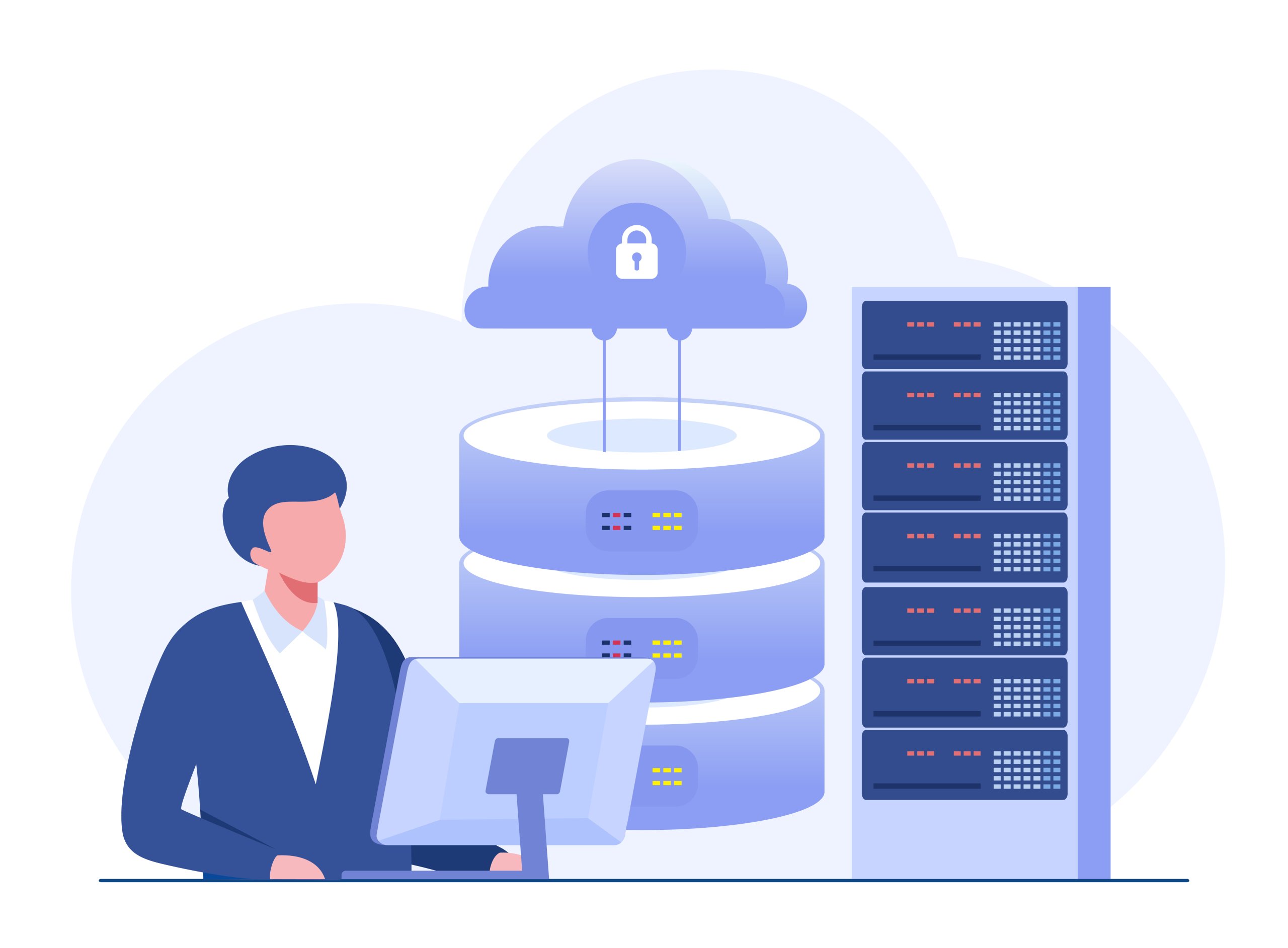
An operating system is far more than background software — it is the architectural foundation upon which all computing is built. It manages hardware resources, enables user interaction, enforces security, and provides the stable platform that applications depend on to function correctly.
For everyday users, the OS choice might come down to personal preference between Windows, macOS, or Linux. But for developers, system administrators, and businesses deploying online services, the OS decision has profound implications for performance, security, cost, and scalability.
Whether you're launching your first website on Shared Web Hosting, deploying a high-performance application on a VPS Hosting plan, or running compute-intensive workloads on Dedicated Servers, understanding the role of the operating system helps you make smarter, more informed infrastructure decisions — and ultimately build more reliable, efficient, and secure systems.