Open Ticket
  +373 79 600002
  Telegram Live Chat
  F.A.Q
F.A.Q  English
 Русский
  Română
  Deutsch
  Français
  Türkçe
  Español
  Português
  Українська
  български
  Polski
  Indonesia
  中文 (中国)






































































































































 on All Hosting Services






How to Reinstall the Operating System on Your VPS
Reinstalling the operating system (OS) on your Virtual Private Server (VPS) is a crucial task that ensures optimal performance, security, and compatibility with your applications. This guide will provide a comprehensive look at the importance of selecting and configuring the right OS for your VPS, as well as detailed steps for reinstallation.
Why Reinstalling or Configuring Your OS Matters
Compatibility and Resource Optimization
Each operating system has unique requirements and optimizations. By carefully selecting and configuring the OS, you can maximize the efficiency of your VPS, ensuring that resources are utilized effectively for optimal performance.
Security and Updates
Security should be a priority when choosing an OS. Some systems offer more frequent updates and robust security features, which are vital for protecting your server against potential threats. Always opt for an OS that aligns with your security needs.
Application Compatibility
Certain applications and services perform better on specific operating systems. Ensuring that your OS is compatible with the necessary software guarantees stable and efficient server operations. This is particularly crucial for applications with specific OS dependencies.
Resource Management and Scalability
Different operating systems provide various tools for resource management and scalability. For instance, Linux excels in containerization, making it suitable for environments requiring agile scaling. Conversely, Windows may offer specialized capabilities tailored for enterprise solutions.
Steps to Reinstall the OS on Your VPS
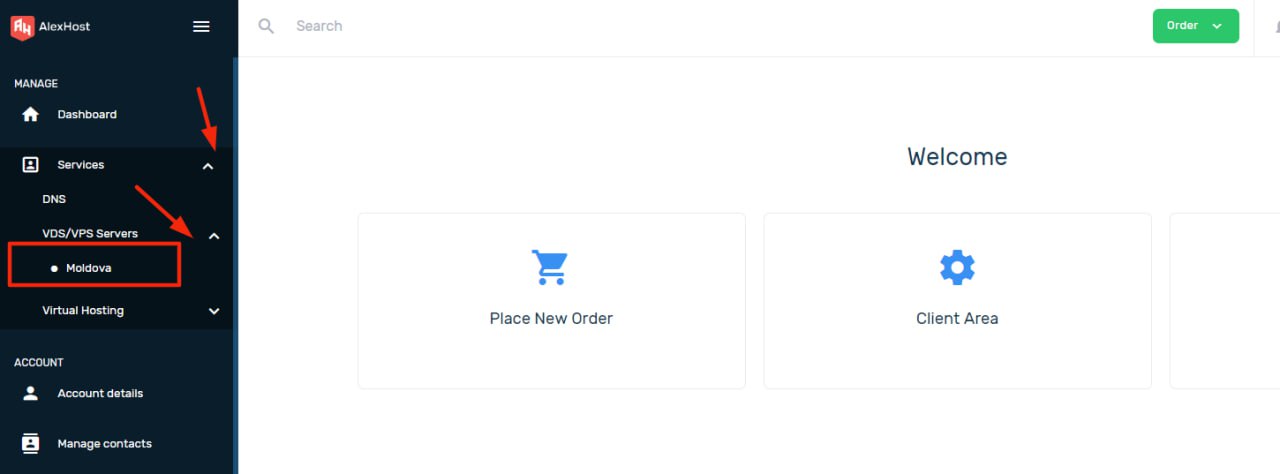
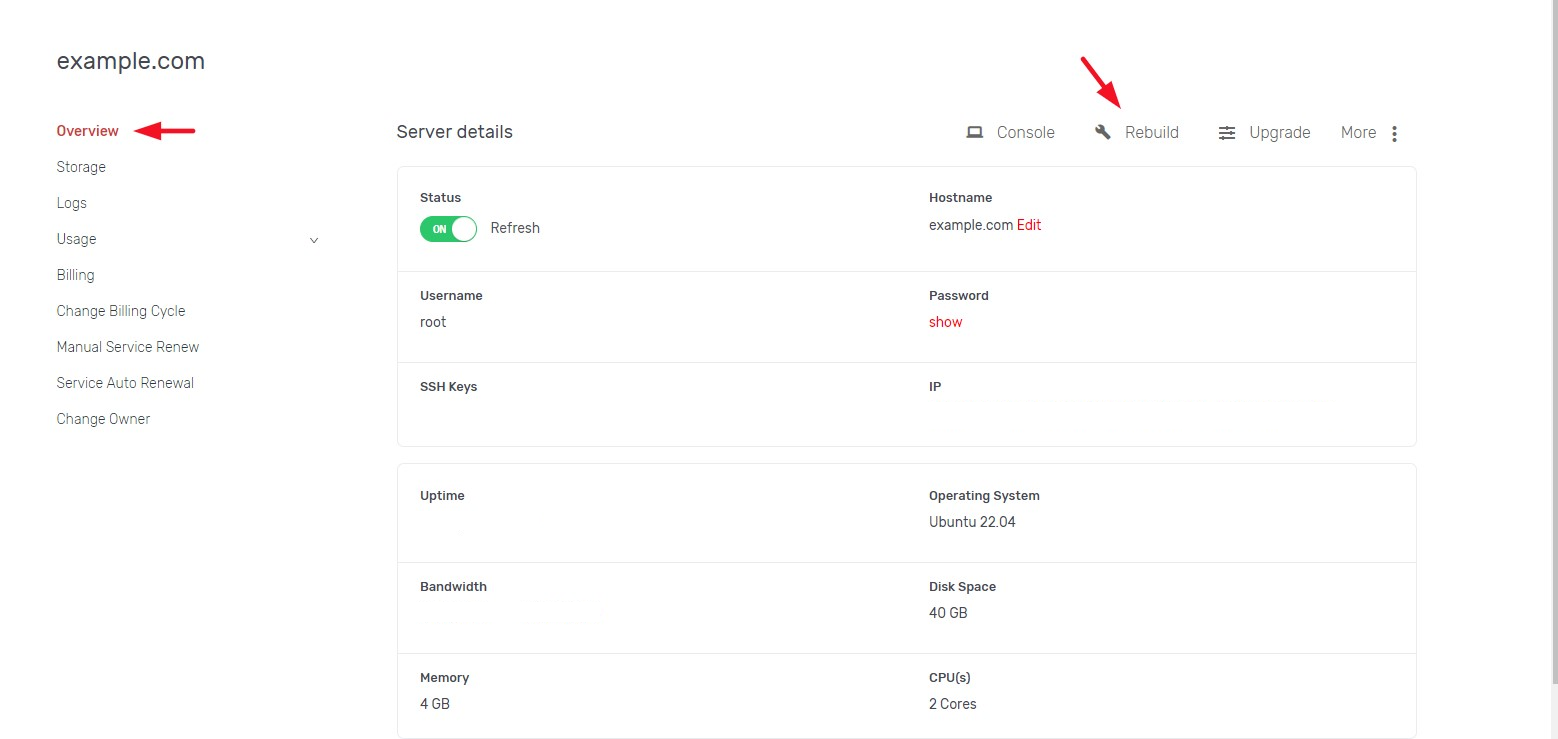
- Access Your Control Panel: After activating your VPS, you'll receive exclusive IPv4 and IPv6 addresses, root access, and a unique password. Secure this information carefully.
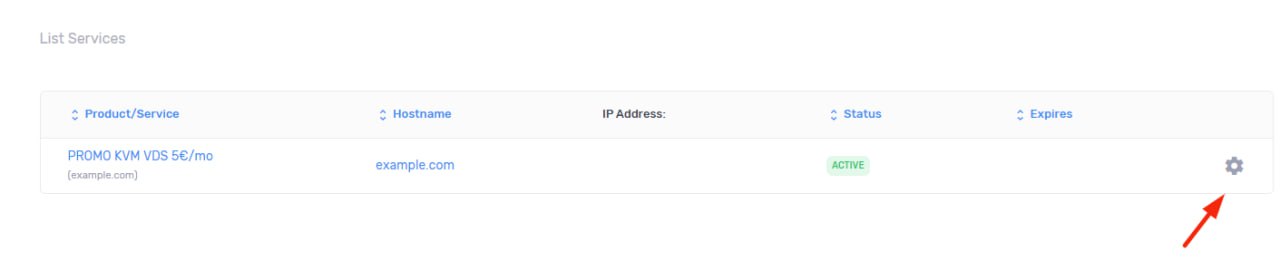
- Navigate to Server Settings: Locate your virtual server within the control panel and proceed to the settings section.
- Select the "Rebuild" Option: This option allows you to choose from a comprehensive list of operating systems available for installation.
- Confirm the Reinstallation: Once you select the desired OS, confirm the reinstallation. Be aware that this process will overwrite all data on your VPS, resetting it with the new OS template.
Important Considerations
- Data Loss: Reinstalling the OS will erase all existing data. Ensure that you have backed up any critical data before proceeding.
- Security of Credentials: Protect your access credentials diligently. Refer to our guide on SSL Certificates for securing your server communications.
- Select the Right Hosting Solution: Depending on your needs, consider VPS Hosting for flexibility, or explore Dedicated Servers for more control and resources.
Key Takeaway Checklist
- Backup Data: Ensure all important data is backed up before OS reinstallation.
- Choose the Right OS: Select an OS that meets your performance, security, and application compatibility needs.
- Secure Credentials: Protect your server access credentials to prevent unauthorized access.
- Plan for Scalability: Consider future scalability needs when selecting your OS.
FAQ
1. Why is it important to back up data before reinstalling the OS?
Reinstalling the OS will erase all data on your VPS. Backing up ensures that you do not lose any critical information during the process.
2. Can I switch from Linux to Windows on my VPS?
Yes, you can switch operating systems during reinstallation. However, ensure that your applications are compatible with the new OS.
3. How often should I update my server's OS?
Regular updates are crucial for security and performance. Follow the update schedule recommended by your OS provider.
4. What should I do if I encounter issues during reinstallation?
Consult your hosting provider's support or refer to their documentation for troubleshooting steps. Consider VPS with cPanel for easier management.
5. How do I ensure my server's security post-reinstallation?
Implement strong password policies, regularly update your software, and consider using SSL Certificates for secure communications.