Open Ticket
  +373 79 600002
  Telegram Live Chat
  F.A.Q
F.A.Q  English
 Русский
  Română
  Deutsch
  Français
  Türkçe
  Español
  Português
  Українська
  български
  Polski
  Indonesia
  中文 (中国)






































































































































 on All Hosting Services






How to Install and Configure XRDP on Ubuntu 22.04
XRDP is an open-source implementation of Microsoft's Remote Desktop Protocol (RDP) server for Linux. It enables any RDP-compatible client — including Windows Remote Desktop Connection, Remmina, and FreeRDP — to establish a full graphical desktop session on a remote Linux machine. On Ubuntu 22.04, XRDP acts as a bridge between the RDP client and an underlying X11 or Xorg display session, delivering a responsive, encrypted remote desktop experience without requiring VNC or proprietary software.
This guide covers the complete installation, SSL certificate configuration, firewall hardening, desktop environment integration, and connection procedure for XRDP on Ubuntu 22.04 LTS — including edge cases and post-install pitfalls that most tutorials omit.

What Is XRDP and How Does It Work
XRDP operates on a client-server model. The xrdp daemon listens on TCP port 3389 and handles the RDP handshake, session negotiation, and transport encryption via TLS. Internally, it spawns an xrdp-sesman session manager that authenticates users via PAM (Pluggable Authentication Modules) and launches an X11 session through a configurable backend — typically Xvfb (virtual framebuffer) or a direct Xorg session.
The key architectural components are:
- xrdp daemon — handles RDP protocol negotiation and TLS termination
- xrdp-sesman — manages user session lifecycle and PAM authentication
- X11 backend — provides the graphical framebuffer (Xvfb, Xorg, or X11rdp)
- chansrv — handles clipboard sharing, audio redirection, and drive mapping
This architecture means XRDP does not replace your display manager — it runs alongside it, creating isolated graphical sessions per authenticated user.
XRDP vs. Alternatives: Protocol and Feature Comparison
| Feature | XRDP (RDP) | x11vnc (VNC) | NoMachine (NX) | TeamViewer |
|---|---|---|---|---|
| Protocol | RDP (Microsoft standard) | VNC/RFB | NX protocol | Proprietary |
| Native Windows client | Yes (built-in MSTSC) | No (requires client) | No (requires client) | No (requires client) |
| TLS encryption | Yes (native) | Optional (via stunnel) | Yes | Yes |
| Multi-session support | Yes | No (single display) | Yes | Yes |
| Clipboard sharing | Yes | Yes | Yes | Yes |
| Audio redirection | Yes (via PulseAudio) | Limited | Yes | Yes |
| Performance on WAN | Good | Poor | Excellent | Good |
| Open source | Yes (Apache 2.0) | Yes | Partial | No |
| Port | 3389 | 5900 | 4000 | 5938 |
For teams already using Windows infrastructure, XRDP is the most operationally efficient choice because it requires zero additional client software on Windows machines.

Prerequisites
Before proceeding, ensure the following:
- A running Ubuntu 22.04 LTS server or desktop instance
- A user account with
sudoprivileges - A desktop environment installed (GNOME, XFCE, or MATE — details below)
- SSH access to the server for initial configuration
- UFW or iptables available for firewall management
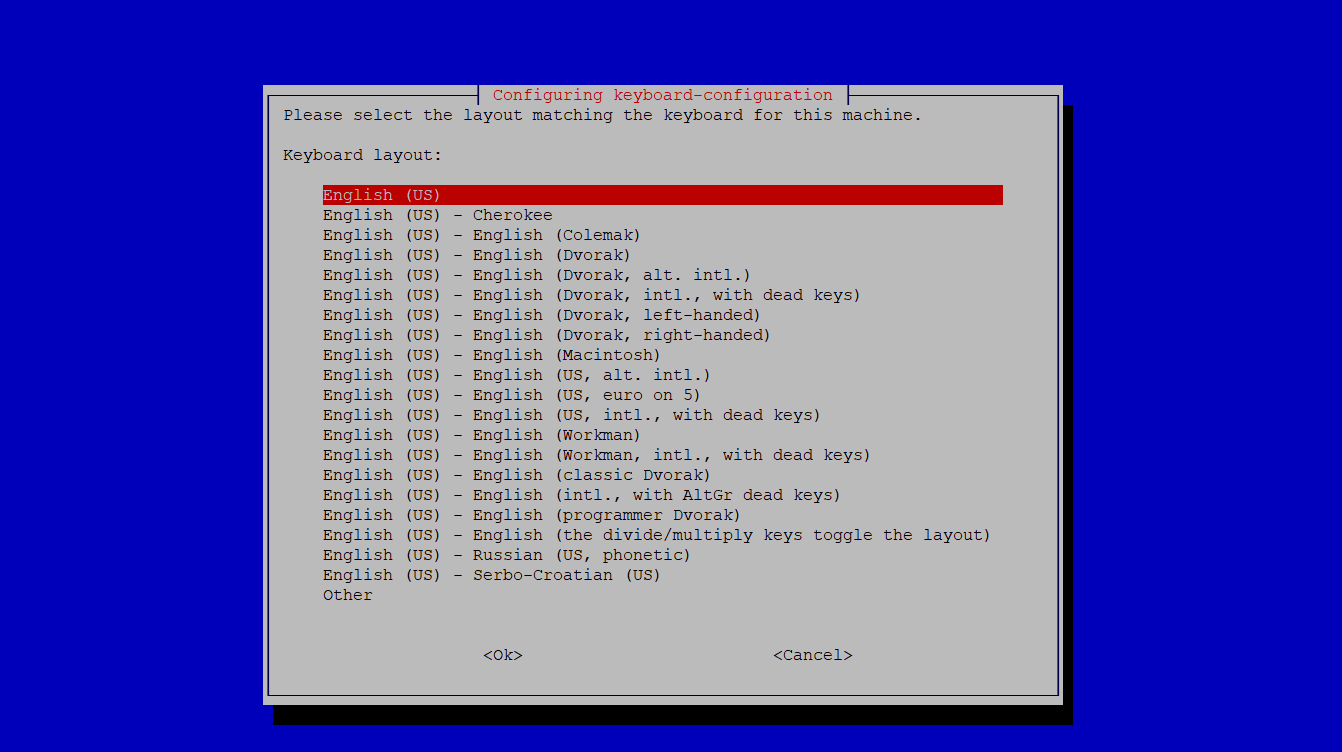
If you are running a headless VPS without a desktop environment pre-installed, you must install one before XRDP can deliver a graphical session. A minimal XFCE installation is strongly recommended for remote desktop use due to its low memory footprint.

Step 1 — Update System Packages
Always synchronize your package index and apply pending upgrades before installing new software. This prevents dependency conflicts and ensures you receive the latest patched version of XRDP.
sudo apt update && sudo apt upgrade -yReboot if a kernel update was applied:
sudo reboot
Step 2 — Install a Desktop Environment (Headless Servers Only)
If your Ubuntu 22.04 instance has no GUI, install a lightweight desktop environment. XFCE4 is the most reliable choice for XRDP on headless servers — GNOME sessions over XRDP on Ubuntu 22.04 have known rendering issues related to Wayland/GDM3 conflicts.
sudo apt install xfce4 xfce4-goodies -yAlternatively, for MATE:
sudo apt install ubuntu-mate-desktop -yCritical note for GNOME users: Ubuntu 22.04 defaults to a Wayland session. XRDP does not support Wayland natively. If you intend to use GNOME, you must force Xorg sessions by editing /etc/gdm3/custom.conf and uncommenting WaylandEnable=false. Even then, GNOME over XRDP on 22.04 frequently produces a black screen on login — XFCE eliminates this class of problem entirely.
Step 3 — Install XRDP
Install XRDP from the official Ubuntu repositories:
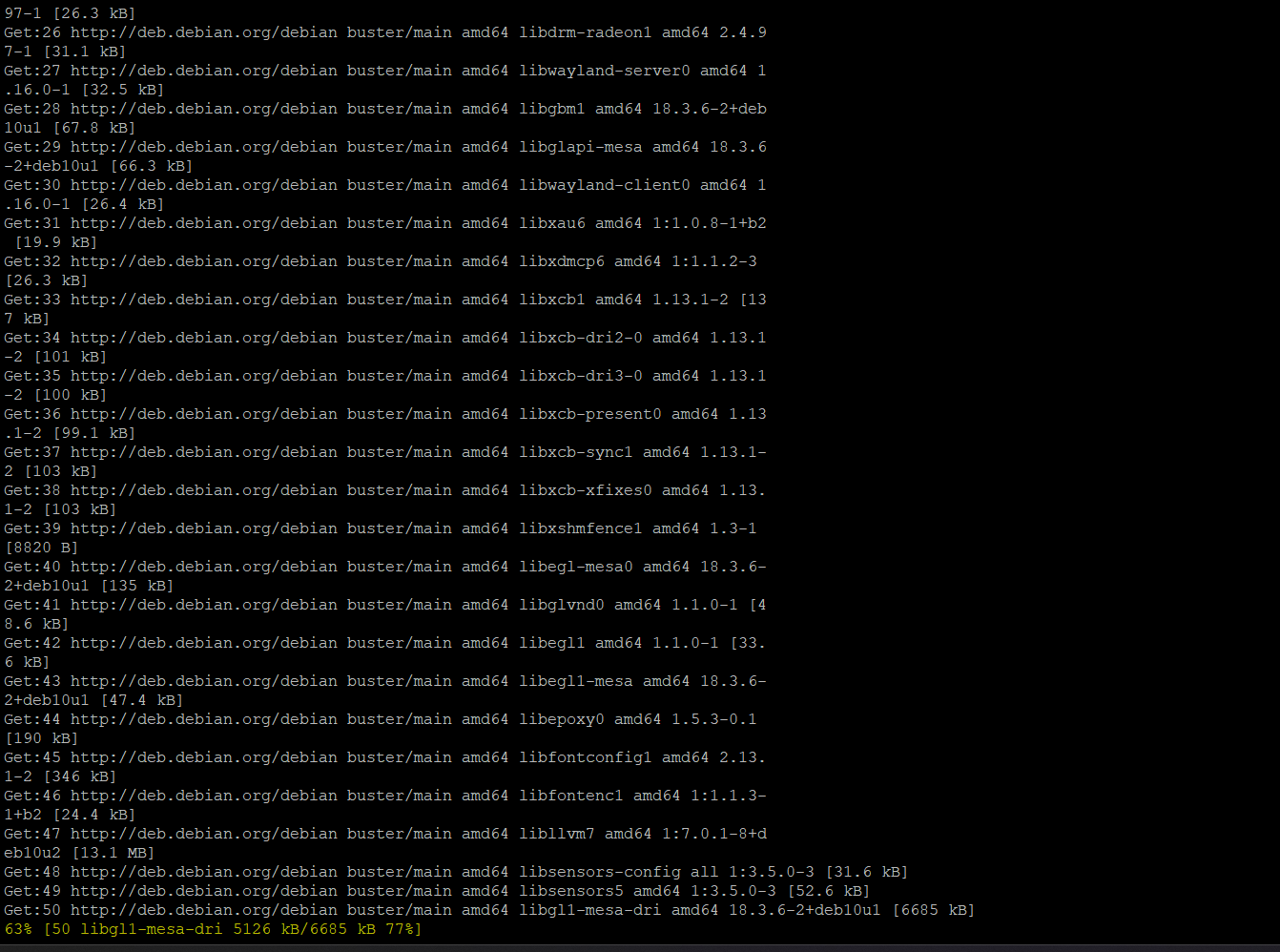
sudo apt install xrdp -yThe package manager will install xrdp along with its dependency xorgxrdp, which provides the Xorg-based display driver backend. Installation typically completes in under two minutes on a standard VPS with cPanel or bare-metal server with a stable internet connection.
Step 4 — Enable and Start the XRDP Service
Enable XRDP to start automatically at boot, then start it immediately:
sudo systemctl enable xrdp
sudo systemctl start xrdp
Verify the service is active and listening:
sudo systemctl status xrdpExpected output includes Active: active (running) and a line confirming the process is listening. To explicitly confirm the port binding:
sudo ss -tlnp | grep 3389You should see output similar to:
LISTEN 0 10 0.0.0.0:3389 0.0.0.0:* users:(("xrdp",pid=XXXX,fd=12))If the port is not bound, check /var/log/xrdp.log for startup errors before proceeding.
Step 5 — Configure SSL Certificate Permissions
During installation, XRDP creates a dedicated system user named xrdp. The daemon uses the certificate key at /etc/ssl/private/ssl-cert-snakeoil.key for TLS session encryption. By default, this file is owned by the ssl-cert group, and the xrdp user does not belong to it — causing TLS handshake failures or fallback to unencrypted sessions.
Add the xrdp user to the ssl-cert group:
sudo usermod -a -G ssl-cert xrdpRestart XRDP to apply the group membership change:
sudo systemctl restart xrdpProduction note: The ssl-cert-snakeoil certificate is a self-signed certificate generated by the ssl-cert package. For production environments or any server exposed to the internet, replace it with a valid certificate from a trusted CA. If your server has a public domain, you can use a certificate from your SSL Certificates provider and configure XRDP to reference it via the certificate and key_file directives in /etc/xrdp/xrdp.ini.
To use a custom certificate:
sudo nano /etc/xrdp/xrdp.iniLocate and update these lines:
certificate=/etc/ssl/certs/your-domain.crt
key_file=/etc/ssl/private/your-domain.key
Step 6 — Configure the Desktop Session for XRDP
XRDP reads a per-user session configuration file at ~/.xsession or ~/.Xclients to determine which desktop environment to launch. Without this file, many Ubuntu 22.04 configurations produce a gray or black screen after authentication.
For XFCE, create the session file for your user:
echo "xfce4-session" > ~/.xsession
chmod +x ~/.xsession
For MATE:
echo "mate-session" > ~/.xsession
chmod +x ~/.xsession
If you are configuring this for multiple users on a Dedicated Server, automate this step with a shell loop or configuration management tool such as Ansible.
Step 7 — Configure the Firewall
XRDP listens on TCP port 3389. You must explicitly allow this port through UFW. However, exposing RDP directly to the internet on 0.0.0.0 is a significant security risk — RDP is one of the most actively brute-forced services on the internet.
Recommended approach: restrict access to a specific IP range or VPN subnet.
Allow access from a specific trusted subnet only:
sudo ufw allow from 192.168.1.0/24 to any port 3389If you are connecting from a single known IP address:
sudo ufw allow from YOUR.IP.ADDRESS to any port 3389If you must allow broader access temporarily (not recommended for production):
sudo ufw allow 3389/tcpReload and verify the firewall rules:
sudo ufw reload
sudo ufw status verbose
Security hardening recommendations:
- Change the default port: Edit
/etc/xrdp/xrdp.iniand setport=33890(or any non-standard port), then update your UFW rule accordingly. This dramatically reduces automated scanning noise. - Use fail2ban: Install and configure
fail2banwith thexrdpjail to block IPs after repeated failed authentication attempts. - Tunnel over SSH: For maximum security, bind XRDP to
127.0.0.1only and access it through an SSH tunnel. This eliminates direct internet exposure entirely.
To bind XRDP to localhost only:
sudo nano /etc/xrdp/xrdp.iniSet:
address=127.0.0.1Then connect via SSH tunnel from your client:
ssh -L 3389:127.0.0.1:3389 user@your-server-ip -NPoint your RDP client to 127.0.0.1:3389.
Step 8 — Connect to the XRDP Remote Desktop
From Windows
- Press
Win + R, typemstsc, and press Enter to open Remote Desktop Connection. - In the Computer field, enter the IP address of your Ubuntu server (e.g.,
203.0.113.45). - Click Connect.
- At the XRDP login screen, select the session type (typically
XvncorXorg), enter your Ubuntu username and password, and click OK.
From Linux (Remmina)
- Open Remmina and create a new connection profile.
- Set the protocol to RDP.
- Enter the server IP, your username, and password.
- Set the color depth to True color (32 bpp) for best visual quality.
- Connect.
From macOS
Use Microsoft Remote Desktop from the Mac App Store — it supports RDP natively and works seamlessly with XRDP.
Troubleshooting Common XRDP Issues on Ubuntu 22.04
Black Screen After Login
This is the most common issue on Ubuntu 22.04. Causes and fixes:
- Missing
~/.xsessionfile: Create it as shown in Step 6. - Wayland session conflict: Disable Wayland in
/etc/gdm3/custom.conf. - Stale X lock file: Delete
/tmp/.X*-lockfiles and restart XRDP.
Authentication Failure Despite Correct Credentials
- Verify PAM is not blocking the
xrdp-sesmanprocess: check/var/log/xrdp-sesman.log. - Ensure the user account is not locked:
sudo passwd -S username. - Confirm the user is not required to change their password on next login.
Poor Performance or High Latency
- Reduce color depth in the RDP client settings (16-bit instead of 32-bit).
- Enable RemoteFX or H.264 codec in
/etc/xrdp/xrdp.iniif your client supports it. - Switch from
XvnctoXorgbackend in the XRDP session selector for better performance on servers with hardware acceleration.
Port 3389 Not Reachable
- Confirm XRDP is running:
sudo systemctl status xrdp - Confirm UFW is not blocking:
sudo ufw status - Check cloud provider security groups or network ACLs — many VPS providers have an additional firewall layer at the hypervisor level that is independent of UFW.
Advanced Configuration Options
Enabling Clipboard Sharing
Clipboard redirection between the RDP client and the remote desktop requires the xrdp-chansrv channel service. It starts automatically with the session, but if clipboard is not working, verify the process is running:
ps aux | grep xrdp-chansrvIf it is not running, check for errors in ~/.xrdp/ log files within the user's home directory.
Enabling Audio Redirection
Install the PulseAudio RDP module:
sudo apt install pulseaudio-module-xrdp -yLog out and reconnect. Audio output from the remote desktop will be redirected to your local client speakers.
Multi-User Concurrent Sessions
XRDP supports multiple simultaneous sessions out of the box. Each authenticated user receives an isolated X11 session. To verify active sessions:
sudo xrdp-seslistFor environments with many concurrent users — such as developer workstations or training environments — a Dedicated Server provides the CPU and RAM headroom necessary to sustain multiple graphical sessions without contention.
Key Takeaways and Decision Checklist
Before deploying XRDP in production, verify each of the following:
- Desktop environment installed and
~/.xsessionconfigured per user (XFCE recommended) xrdpuser added tossl-certgroup — skipping this causes TLS errors- Wayland disabled if using GNOME (
/etc/gdm3/custom.conf) - Firewall rules restrict port 3389 to trusted IPs only — never expose RDP to 0.0.0.0 on a public server
- Self-signed certificate replaced with a valid CA-issued certificate for production deployments
- fail2ban configured with an XRDP jail to mitigate brute-force attacks
- SSH tunnel considered as an alternative to direct port exposure for high-security environments
- Hypervisor-level firewall checked — cloud provider security groups are independent of UFW
- Log files monitored at
/var/log/xrdp.logand/var/log/xrdp-sesman.logfor session errors
Frequently Asked Questions
Does XRDP support Ubuntu 22.04 with Wayland?
No. XRDP requires an X11/Xorg session. Ubuntu 22.04 defaults to Wayland under GNOME. You must either disable Wayland in /etc/gdm3/custom.conf or use a desktop environment that defaults to Xorg, such as XFCE or MATE.
What is the difference between the Xvnc and Xorg session types in XRDP?
The Xvnc backend creates a virtual framebuffer using VNC internally, which is compatible with most configurations but has higher CPU overhead. The Xorg backend uses the xorgxrdp driver for direct Xorg rendering, offering better performance and hardware acceleration support. Use Xorg when available.
Can multiple users connect to XRDP simultaneously?
Yes. XRDP creates a separate, isolated X11 session for each authenticated user. Sessions are independent and do not interfere with one another, making XRDP suitable for multi-user remote access on a single server.
Is it safe to expose XRDP port 3389 directly to the internet?
No. RDP is one of the most heavily targeted protocols for brute-force and exploitation attacks. Always restrict port 3389 to known IP addresses via firewall rules, use fail2ban, and consider tunneling XRDP over SSH for any internet-facing deployment.
How do I uninstall XRDP from Ubuntu 22.04?
Run sudo apt purge xrdp -y && sudo apt autoremove -y. This removes the XRDP packages and their dependencies. Also delete residual configuration files with sudo rm -rf /etc/xrdp and remove the UFW rule with sudo ufw delete allow 3389/tcp.